
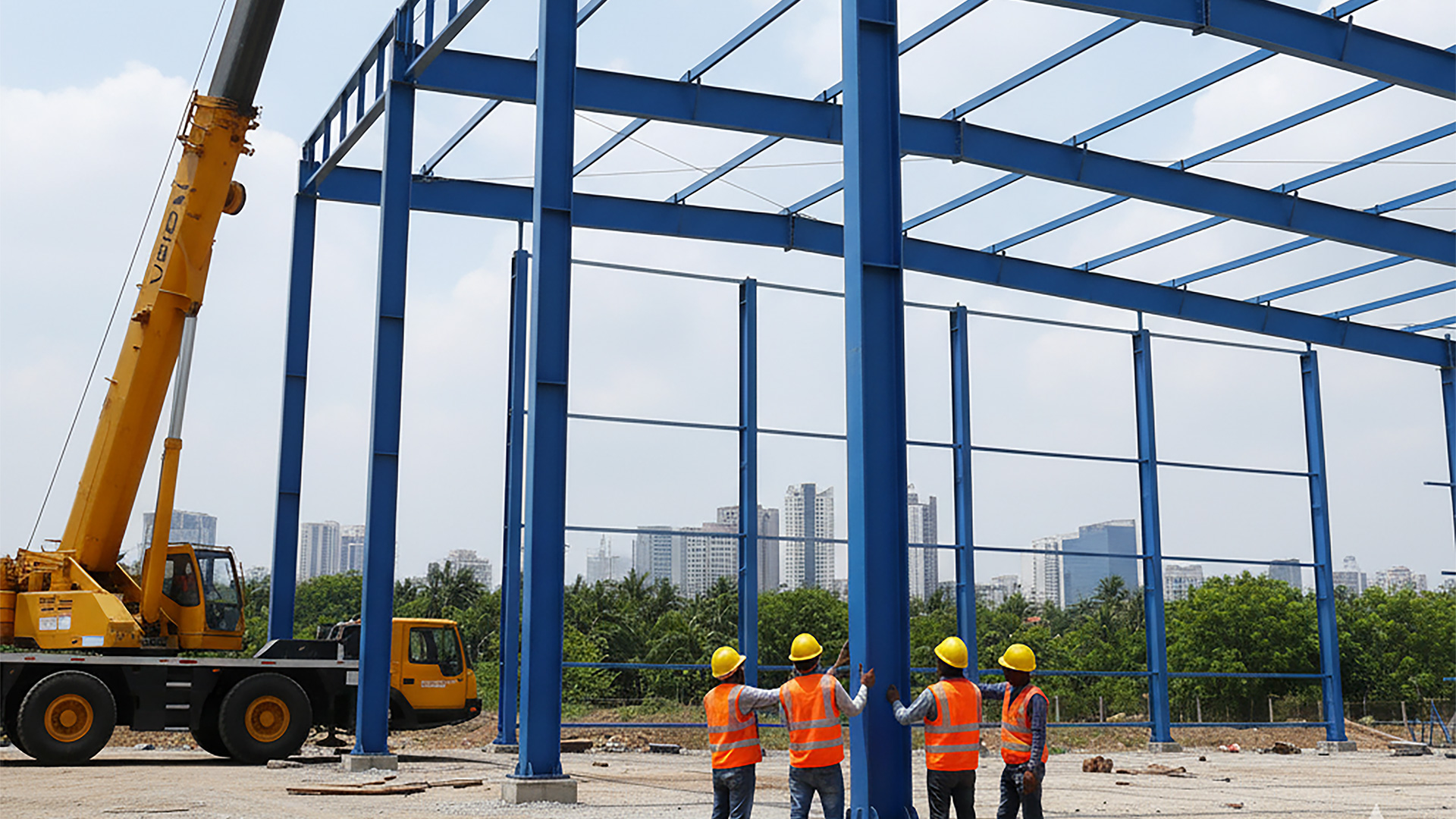
PEB Cost Guide Tips to Save on Your Building Project
Building in India’s industrial sector needs careful money management. Many face surprise costs that mess up their plans and success. This essential guide helps you manage your spending well.
Knowing what affects prices lets you make smart choices early on. We look at key factors like building design and site needs that can blow budgets. This guide helps you steer clear of common problems and keep your buildings strong and affordable.
Using these tips, you can keep quality high without hurting your wallet. Whether it’s a warehouse or a factory, these tips will help your project succeed.
Understanding the PEB Cost Guide and Market Trends in India
India’s industrial sector is quickly adopting pre-engineered buildings to meet growth targets. Businesses need a reliable peb cost guide for planning. These buildings are a modern choice over traditional methods.
Current State of the Indian Prefabricated Construction Market
The prefabricated construction market in India is booming. Analysts predict a 12% growth rate until 2030. This is due to the need for quick projects and precise structures.
Investors and developers are using this industrial building cost guide to plan better. Factory-made parts cut down on labor costs. This move shows a trend towards more efficient building in India
Why PEB Pricing Trends Favor Industrial Expansion
Today, peb pricing trends make these buildings the top choice for big industrial projects. They offer better budget control than traditional steel buildings. This is key for managing large construction projects.
The industrial building cost guide shows how standard parts reduce errors. This lets project managers control costs and keep safety high. Good peb pricing trends help businesses focus on growing, not just building.
Key Factors Influencing Pre-Engineered Building Cost Estimator Metrics
When planning a new facility, the pre-engineered building cost estimator is key. It helps you understand costs clearly. It breaks down complex variables to avoid surprises during construction.
Primary steel frames are a big part of the cost, making up 42–52% of the total cost. This makes them a major factor in your budget.
Structural Complexity and Building Dimensions
The size of your project affects the steel needed for the frame. Larger buildings need more steel. Engineers must balance size and cost to keep the building affordable.
A good cost estimator will consider these size changes early. By optimizing the frame, you can save on steel without sacrificing safety. This is crucial for keeping costs down.
Site Location and Logistics Challenges in India
The location of your project affects the cost. Moving heavy steel across India has different costs and taxes. Remote areas need special handling, raising costs.
Also, local material availability can affect delivery times. A reliable cost estimator must consider these logistics for a realistic budget. Planning for these factors helps avoid delays.
Foundation Requirements and Soil Bearing Capacity
The ground under your building is crucial. India has different soil types, from rocky to soft. You need a geotechnical survey to know the soil’s strength before designing the foundation.
Poor soil may need deeper or stronger foundations, increasing costs. The table below shows how site conditions affect your project:
|
Site Condition
|
Foundation Impact
|
Cost Sensitivity
|
|---|---|---|
Strategic Design Choices to Reduce Metal Building Cost Per Square Foot
By making smart design choices early on, you can cut down your metal building cost per square foot. Focus on using materials efficiently and sticking to standard sizes. This way, you get the most out of your budget without sacrificing strength.
Optimizing Column Spacing for Material Efficiency
The design of your building’s frame affects how much steel you need. Wide open spaces are great but often mean more steel to hold them up. Every 10-metre increase in space can add 20–35% to steel costs, raising your expenses.
Using multi-span frames instead of huge open spaces can help. This method spreads the load better, using less steel. This saves you money on metal building cost per square foot.
Selecting Standardized Building Widths and Heights
Going for custom sizes can be pricey because of extra cutting and waste. Choosing standard sizes lets manufacturers use pre-made parts. This cuts down on waste and speeds up making your building.
Standard sizes also make putting it together easier. Uniform parts mean faster work and fewer mistakes. This keeps your project on budget.
Energy-Efficient Insulation and Roofing Solutions
Good roofing and insulation save money in the long run. They might cost more upfront, but they cut down on energy use. This is key in India’s varied weather.
Benefits of Cool Roof Technology in Tropical Climates
Cool roof tech reflects sun rays, keeping your building cool. In hot places, it stops your building from getting too hot. This means your air conditioning works less, saving on electricity.
Long-term Savings Through Proper Thermal Insulation
Good insulation keeps your building comfy all year. It fights off extreme temperatures. This saves on energy bills and makes your air conditioning last longer.
Procurement and Material Sourcing Tips for Steel Building Cost Calculator Accuracy
Getting your construction budget right starts with smart buying and material choices. Working with your PEB manufacturer early can cut steel use by 12–20%. This early involvement helps avoid costly mistakes in design.
A good steel building cost calculator lets you see these savings early. This way, your budget stays realistic from start to finish.
Bulk Purchasing and Vendor Negotiations
Big industrial projects save money by buying in bulk. This gives you power in talks with suppliers.
Comparing Local Versus Imported Steel Components
dia has many steel options, each with its own price tag. Imported steel might be top quality, but local steel is faster and cheaper to ship.
Think about these points when picking your materials:
Avoiding Common Pitfalls in PEB Construction Cost Analysis
A detailed peb construction cost analysis helps avoid unexpected budget leaks. Many projects face delays due to unaccounted variables. Identifying these risks early helps control your finances better.
Hidden Costs in Commercial Steel Building Costs
When calculating commercial steel building costs, focus on materials and labor. But, secondary expenses can add up quickly if not planned. These include local permit fees, utility connection charges, and specialized equipment rentals.
Logistics and transportation in India can change with fuel prices and taxes. Not including these in your initial budget can cause mid-project stress. Always have a 10% contingency fund for unexpected expenses.
Importance of Accurate Site Preparation and Grading
Foundation integrity is crucial for any project. Inaccurate anchor bolt placement or poor site leveling can lead to costly adjustments and delays. These errors force contractors to redo work, draining your budget and extending the timeline.
Proper soil testing and professional grading are essential. Investing in a quality survey before starting prevents structural misalignment. A solid foundation ensures steel components fit perfectly, reducing field modifications.
Managing Change Orders During the Construction Phase
Change orders often cause budget overruns in large projects. Design modifications after procurement disrupt the workflow and increase costs. Strict project management is needed to review every change request.
Documentation is key to financial discipline. Every change must be signed by the owner and contractor to avoid disputes. A clear paper trail keeps everyone accountable throughout the project.
Conclusion
Building a successful industrial facility in India needs a focus on long-term value. Making smart design choices and planning early sets a strong foundation for your budget. This balance helps you control your project by using materials efficiently and meeting high engineering standards.
Companies like Tata BlueScope Steel and Kirby Building Systems offer the tools for modern infrastructure. Working with these experts early helps you avoid financial pitfalls. By prioritizing clear communication and precise site management, you protect your investment.
Using standardized dimensions can lower costs without compromising on structure. Review your architectural plans to make sure every square foot has a purpose. This approach keeps your capital focused on growth, not waste.
Your next step is to get quotes and compare technical specs from trusted vendors. Talk to local engineering consultants to check your site requirements before starting. These steps ensure your facility meets current needs and future growth goals
FAQs
To find the metal building cost per square foot, you need to look at the structure’s needs. This includes the height of the eaves and the width of the clear span. A professional guide helps by considering local steel prices and labor rates. This ensures your estimate matches the current market.
When designing a pre-engineered building, focus on the structure’s complexity and the site’s specifics. Consider the steel needed for the frame, the site’s soil strength, and the cost to move the components to the site.
The Indian market is growing fast for prefabricated construction, at a 12% CAGR by 2030. PEB systems are more predictable in cost. They are made in controlled environments, reducing waste and labor costs.
Yes, a steel building cost calculator helps by testing different designs. It can show how to use less material, lowering the total cost of steel and the project.
Modern prefab cost estimator software does more than just initial costs. It helps plan for long-term savings. For example, it can model the benefits of cool roofs and insulation in tropical climates.
Ignoring site preparation can lead to big cost overruns. Foundation errors are common in India. So, it’s key to test the soil and prepare the site well to avoid costly changes later.
To manage costs, developers should buy in bulk and negotiate early. Using a cost guide helps track material prices. This way, you can secure prices and protect against supply chain changes.
Effective change order management needs strict protocols and early manufacturer involvement. Since PEB parts are made to order, changes are very expensive. Having a clear plan from the start helps avoid extra costs.

Copyright © 2026 – ICON Turnkey Ventures LLP | Created & Crafted By Right Click Solution
WhatsApp us