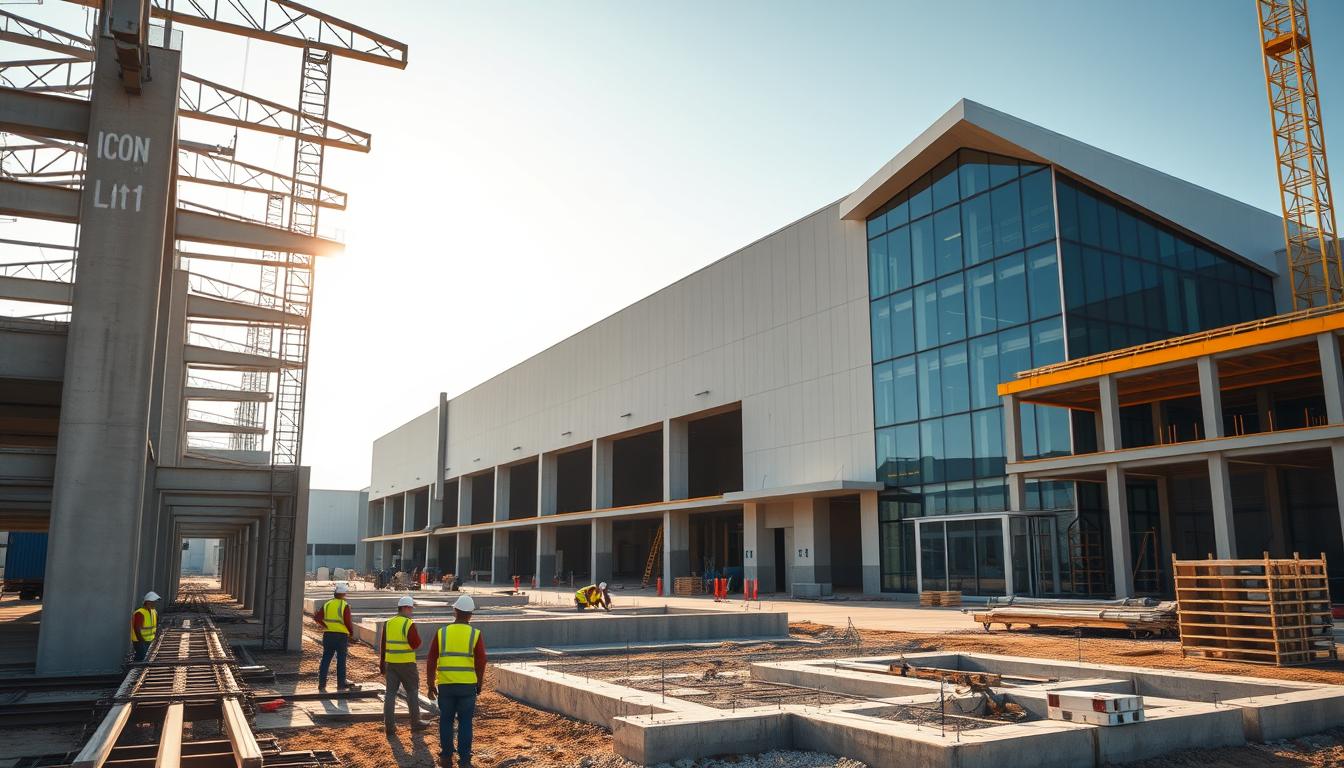
Managing large-scale commercial construction projects effectively is crucial for success. These projects involve numerous stakeholders, substantial budgets, and complex regulatory requirements.
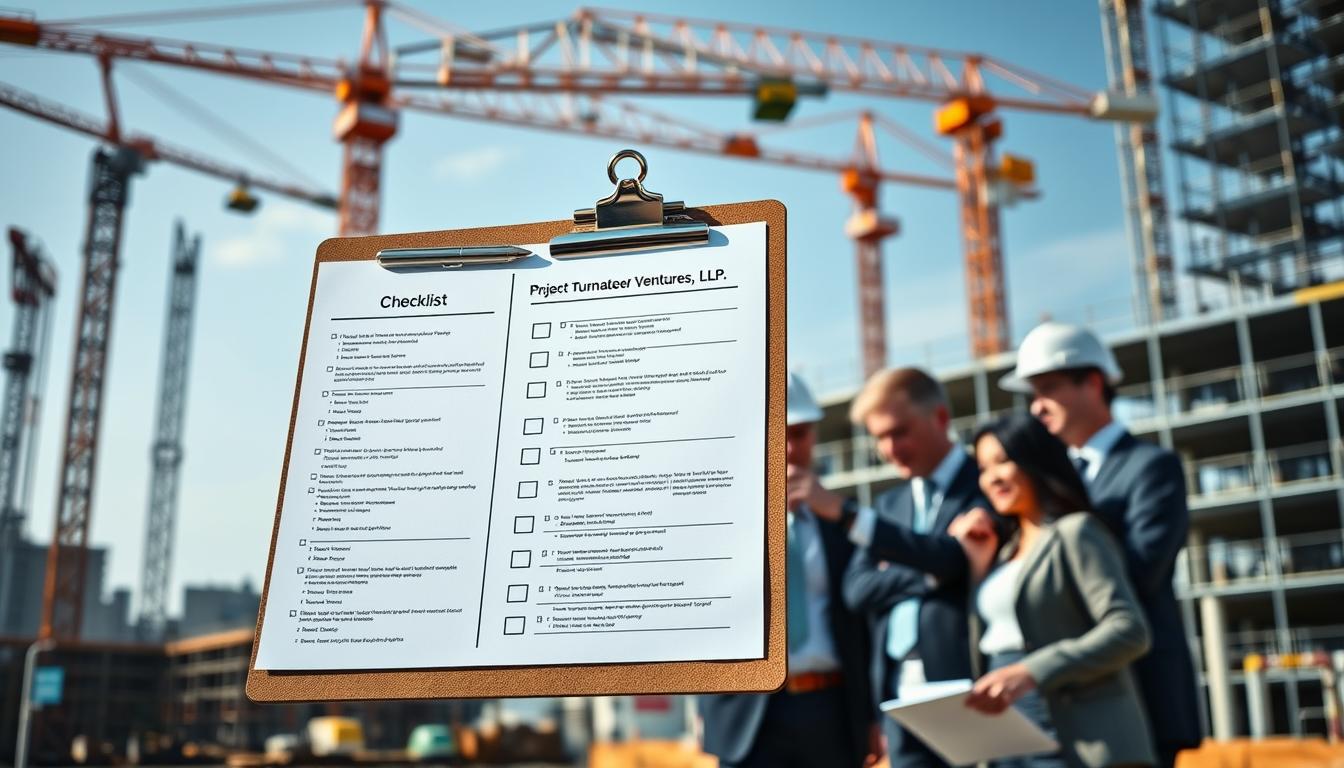
A comprehensive project management checklist serves as a roadmap, guiding project managers through the complex process from initiation to completion. It helps prevent costly mistakes, reduces risks, and ensures all critical aspects are addressed at the appropriate time.
Using a well-structured checklist improves organization, resource allocation, and communication, increasing the likelihood of completing the project on time and within budget.
Key Takeaways
- A comprehensive checklist is essential for managing large-scale commercial construction projects.
- It helps prevent costly mistakes and reduces risks.
- Improved organization and resource allocation are key benefits.
- Enhanced communication ensures all stakeholders are informed.
- A well-structured checklist increases the likelihood of project success.
Understanding the Scope of Large-Scale Commercial Construction Projects

The complexity of large-scale commercial construction projects necessitates a thorough grasp of project management principles. These projects are characterized by their vast scope, intricate designs, and the involvement of multiple stakeholders.
Large-scale commercial construction projects differ significantly from residential or smaller commercial projects in terms of their scale, budget, and timelines. They require specialized management approaches to handle the unique challenges that arise during their execution.
Unique Challenges of Commercial Construction Management
Commercial construction management faces several unique challenges, including regulatory compliance, coordination of multiple specialized contractors, and managing complex technical specifications. These challenges are compounded by the longer timelines and higher budgets associated with large-scale commercial projects.
The management of such projects demands robust systems to oversee the various aspects of construction, from procurement to completion. Effective management is crucial to mitigate risks and ensure that the project stays on track.
Key Stakeholders in Commercial Construction Projects
Identifying and understanding the roles of key stakeholders is vital in commercial construction projects. These stakeholders include owners, architects, engineers, general contractors, subcontractors, suppliers, regulatory bodies, and end-users.
Each stakeholder has distinct responsibilities and influences the project’s outcome. Proper stakeholder management is essential for maintaining clear lines of communication and ensuring collaboration throughout the project lifecycle.
| Stakeholder | Role | Influence |
|---|---|---|
| Owners | Project Initiation and Funding | High |
| Architects | Design and Planning | High |
| General Contractors | Project Execution | High |
| Regulatory Bodies | Compliance and Approvals | Medium |
| End-Users | Project Requirements and Usage | Medium |
Defining the project scope clearly at the outset is crucial to prevent scope creep and establish a solid foundation for all subsequent project activities. A well-defined project scope ensures that all stakeholders are aligned and working towards the same objectives.
Pre-Project Planning and Initiation Phase
The pre-project planning phase is where the groundwork for successful commercial construction is laid. This critical phase involves several key steps that ensure the project is well-defined and set up for success.
Defining Project Vision, Goals, and Objectives
Defining a clear project vision is essential, as it aligns with the client’s business objectives and provides direction for all project activities. Establishing SMART (Specific, Measurable, Attainable, Relevant, Time-bound) goals and objectives guides decision-making throughout the project lifecycle. This process involves understanding the deliverables and objectives of the project, as well as the key performance indicators that will measure its success.
Conducting Feasibility Studies and Site Analysis
Comprehensive feasibility studies are crucial to assess the viability of the project from technical, financial, legal, and operational perspectives. The site analysis process includes environmental assessments, geotechnical investigations, and existing infrastructure evaluations, all of which are vital for commercial construction projects. These studies help in identifying potential risks and opportunities, ensuring that the project is feasible and that the site is suitable for the proposed construction.
Securing Necessary Permits and Approvals
The complex permit acquisition process for commercial construction includes obtaining building permits, environmental permits, zoning approvals, and other regulatory requirements. Creating a permit tracking system as part of the project checklist ensures that all necessary approvals are obtained in a timely manner, preventing project delays. Involving key stakeholders during this phase is crucial to ensure their requirements and expectations are incorporated into the project planning.
| Permit Type | Description | Responsible Authority |
|---|---|---|
| Building Permit | Approval for construction or renovation | Local Building Authority |
| Environmental Permit | Assessment of environmental impact | Environmental Protection Agency |
| Zoning Approval | Compliance with zoning regulations | Local Zoning Board |
By following these steps and ensuring that all necessary permits are secured, the project sets a solid foundation for success. Effective project management during the initiation phase is critical for navigating the complexities of commercial construction and achieving the desired outcomes.
Comprehensive Project Management Checklist for Commercial Construction
A comprehensive project management checklist is essential for navigating the complexities of commercial construction. This checklist serves as a roadmap, ensuring that all critical aspects of the project are addressed, from initiation to completion.
Project Scope Definition and Documentation
Defining the project scope is a critical step in commercial construction project management. It involves creating a detailed scope statement that outlines what is included and excluded from the project. A Work Breakdown Structure (WBS) is then developed to break down the project into manageable components, making it easier to assign responsibilities and track progress.
Essential documentation for scope management includes scope statements, requirements documentation, and change management procedures. These documents help prevent misunderstandings and scope creep, ensuring that the project stays on track.
Budget Planning and Financial Controls
Effective budget planning is crucial for the financial success of commercial construction projects. This involves using cost estimation techniques, contingency planning, and cash flow projections to establish a comprehensive budget. Financial control mechanisms such as earned value management, regular financial reviews, and approval processes for expenditures are implemented to ensure that the project stays within budget.
- Cost estimation techniques
- Contingency planning
- Cash flow projections
- Earned value management
- Regular financial reviews
Timeline Development with Critical Path Analysis
Developing a realistic project timeline is vital for the successful completion of commercial construction projects. This involves using critical path analysis to identify the sequence of activities that determine the minimum project duration. Milestone schedules, detailed activity schedules, and resource-loaded schedules are created to account for the complexities of commercial construction projects.
It’s also important to build in buffers for potential delays such as weather issues or material delivery problems. This proactive approach helps in managing expectations and keeping the project on schedule.
Resource Allocation and Team Management
Resource allocation and team management play a vital role in ensuring that commercial construction projects are completed on time and within budget. Effective project management involves allocating the right resources to the right tasks at the right time.
Creating a RACI Matrix for Clear Responsibilities
A RACI (Responsible, Accountable, Consulted, Informed) matrix is a valuable tool for defining roles and responsibilities within a project team. It helps prevent confusion and ensures accountability by clearly outlining who is responsible for each task.
Contractor Selection and Management
Selecting the right contractors is crucial for the success of a commercial construction project. This involves pre-qualifying contractors, evaluating bids, and negotiating contracts. Effective contractor management includes monitoring performance and resolving issues promptly.
Equipment and Material Procurement Planning
Procurement planning is essential for ensuring that the necessary equipment and materials are available when needed. This involves sourcing suppliers, negotiating terms, and managing delivery schedules. Implementing just-in-time delivery strategies can help minimize storage costs.
By focusing on these aspects of project management, commercial construction projects can be executed more efficiently, reducing delays and cost overruns.
Risk Management Strategies for Construction Projects
Proactive risk management is vital for navigating the complexities of commercial construction projects. Effective risk management strategies are essential to identify, assess, and mitigate risks that could impact project timelines, budgets, and overall success.
Identifying Potential Risks and Challenges
Identifying potential risks involves a thorough analysis through methods such as brainstorming sessions, expert interviews, and historical data analysis. Construction risks can be categorized into financial, schedule, technical, safety, environmental, and regulatory compliance risks. A comprehensive risk register is crucial for documenting all identified risks, their likelihood, impact, and planned responses.
Key elements of a risk register include:
- Risk identification and description
- Risk categories
- Likelihood and impact assessment
- Risk priority and response
- Person responsible for risk response
- Risk status
Developing Contingency Plans
Developing contingency plans for high-priority risks is critical. This involves outlining specific action steps, resource requirements, and trigger events that would activate the contingency plan. By having these plans in place, project managers can respond swiftly to mitigate the impact of potential risks.
Safety Protocols and Compliance Measures
Safety protocol development is paramount for commercial construction sites. This includes creating site-specific safety plans, training requirements, and regular inspection schedules. Compliance with OSHA regulations, building codes, and environmental regulations is also crucial to avoid legal repercussions and ensure a safe working environment.
By integrating risk management activities into regular project management processes, risks can be continuously monitored and addressed throughout the project lifecycle. This proactive approach directly impacts project success by minimizing potential disruptions and ensuring compliance with regulatory standards.
Communication and Documentation Systems
Robust communication channels and comprehensive documentation are crucial for managing the intricacies of commercial construction projects. Effective project management relies on the seamless exchange of information among stakeholders and meticulous record-keeping to ensure that projects stay on track.
Establishing Effective Communication Channels
Establishing effective communication channels is vital to connect all project stakeholders. This includes in-person meetings, digital platforms, and formal reporting structures. A comprehensive communication management plan specifies who needs what information, when they need it, how it will be delivered, and who is responsible for providing it. Strategies to overcome common communication challenges, such as language barriers and geographical dispersion, are also essential.
Documentation Requirements and Management
Essential documentation for commercial construction projects includes contracts, permits, design documents, change orders, meeting minutes, and daily reports. Implementing a document management system with version control, approval workflows, and secure storage solutions is critical. Utilizing project management software can streamline documentation processes, making information more accessible and reducing administrative burdens.
| Document Type | Purpose | Storage Method |
|---|---|---|
| Contracts | Legal Agreements | Secure Digital Storage |
| Permits | Legal Compliance | Physical and Digital Copies |
| Design Documents | Project Specifications | Version-Controlled Software |
Regular Reporting and Progress Updates
Creating effective progress reports is crucial for providing stakeholders with clear updates on project status, achievements, challenges, and next steps. A project status report should include project details, a status summary, project health, risks, and conclusions with recommendations. Regular reporting schedules and standardized formats ensure consistency and completeness of information.
Quality Control and Project Monitoring
To ensure that commercial construction projects meet all specifications and standards, a robust quality control and monitoring system is essential. This involves several key strategies and processes that help in maintaining high-quality work throughout the project lifecycle.
Quality Assurance Procedures
Developing quality assurance procedures is a critical step in ensuring that all project deliverables meet the required standards. These procedures define quality standards, testing requirements, and acceptance criteria for all components of the project. A comprehensive quality management system includes quality planning, quality assurance, quality control, and continuous improvement processes.
Construction Site Inspections Schedule
Establishing an effective construction site inspection schedule is vital for identifying and addressing quality issues early. This includes daily, weekly, and milestone-based inspections by appropriate personnel. The types of inspections required may include structural inspections, mechanical systems inspections, electrical inspections, and code compliance inspections.
| Inspection Type | Frequency | Personnel Responsible |
|---|---|---|
| Structural Inspections | Weekly | Structural Engineer |
| Mechanical Systems Inspections | Bi-Weekly | MEP Engineer |
| Electrical Inspections | Monthly | Electrical Engineer |
Performance Metrics and Evaluation Methods
To monitor project progress effectively, key performance metrics such as schedule performance index, cost performance index, quality metrics, and safety statistics are used. Evaluation methods include earned value analysis, variance analysis, and trend analysis. Utilizing project management software and digital tools can streamline monitoring processes, collect real-time data, and generate actionable insights for project improvement.
Conclusion: Ensuring Project Success Through Systematic Management
The complexity of large-scale commercial construction projects demands a systematic management approach. A comprehensive project management checklist is essential for ensuring that all aspects of the project are properly planned, executed, and monitored.
Throughout this article, we have discussed the key components of a comprehensive project management checklist, including scope definition, budget planning, timeline development, resource allocation, risk management, and quality control. By implementing such a checklist, project managers can significantly increase the likelihood of project success.
The interconnected nature of these checklist components creates a cohesive project management system. This systematic approach enables project managers to balance the competing demands of scope, time, cost, and quality, promoting proactive rather than reactive management.
To maximize the effectiveness of the checklist, it should be customized for specific types of commercial construction projects while maintaining core elements. Continuous improvement through reviewing and refining the checklist based on lessons learned from each project is also crucial.
About Icon Turnkey Ventures :
At Icon Turnkey Ventures LLP (ITV Projects), we are a trusted industrial and commercial construction company based in MIDC Pimpri, Pimpri-Chinchwad (PCMC), Pune, India, providing end-to-end project management and turnkey construction solutions across civil construction, pre-engineered buildings (PEB), MEPF works, and large-scale infrastructure projects. With extensive experience and a strong commitment to safety, quality, and timely delivery, we help organisations streamline all stages of construction — from planning and procurement to execution, monitoring, and completion — using systematic frameworks like our project management checklist to ensure efficiency and compliance across every project. Serving clients not only in Pune and PCMC, but also in key industrial and business hubs across Maharashtra — including MIDC Bhosari, MIDC Chinchwad, MIDC Chakan, MIDC Talegaon, MIDC Ranjangaon, MIDC Satara, MIDC Nagpur, MIDC CChhatrapati Sambhajinagar, MIDC Lote, MIDC Mumbai, MIDC Navi Mumbai and MIDC Badlapur — ITV Projects combines technical expertise with local insights to deliver superior construction outcomes that support growth and operational excellence. itvprojects.com